Hobbi
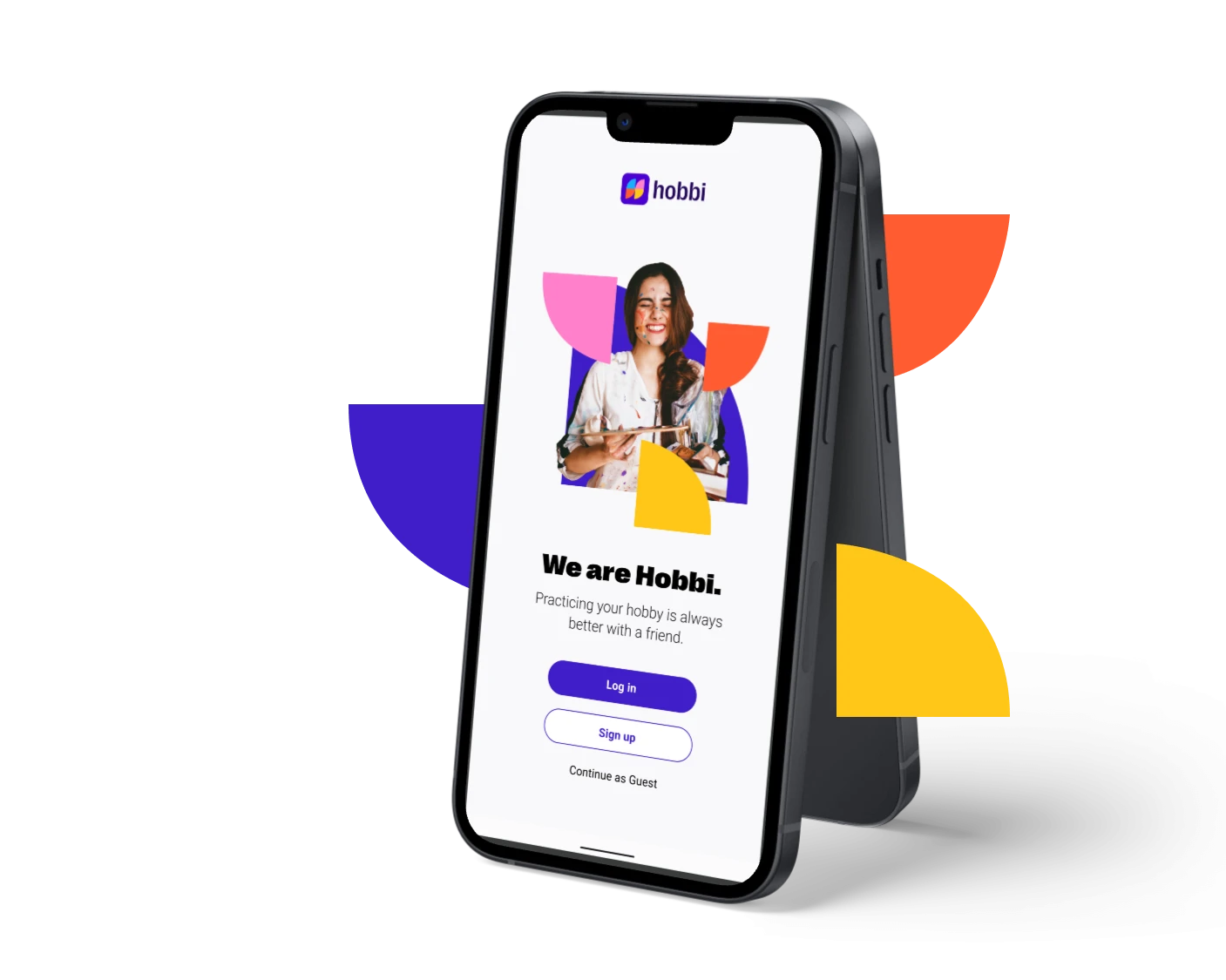
A hobby sharing app, built with three colleagues during the Telerik Academy UX/UI programme.
Overview
From March to June I took part in the UX/UI upskill programme at Telerik Academy. With three colleagues we set out to build a hobby sharing app, finding out what people actually needed, then shaping it into something worth using.
Research
Research, data collection and a look at comparable apps surfaced the pain points that mattered. Those pointed us at a minimum viable product, and collaborative sessions backed by forced ranking decided which features earned their place in it.
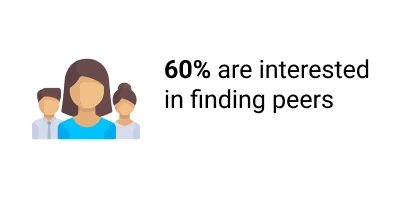
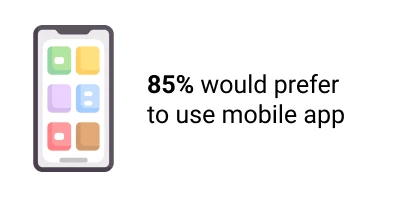
Findings from testing.
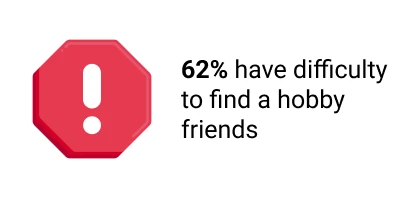
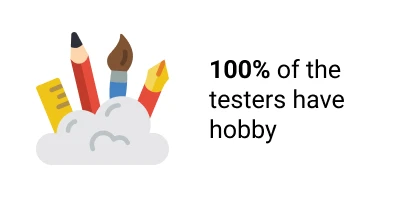
More of the same.
Four user needs
- 01Connect. People need to find each other through their hobbies.
- 02Grow. People need to share and engage with content around their hobby, to progress and to show their work.
- 03Explore. People need to be able to find potential friends, hobbies, groups and events.
- 04Customize. People need to choose the content, layout, functionality and design that suits them.
The problem
The project came from a specific difficulty: finding like-minded people and building real relationships inside a supportive hobbyist community is harder than it should be.

The solution
The research produced a handful of core flows: create, search and attend events; a hobby feed showing what peers post; connecting with potential hobby buddies; and exploring groups and events. Lo-fi and hi-fi prototypes carried us through an iterative process driven by feedback, heatmaps and A/B testing.
Events
Add, search or attend events, and meet other hobbyists in person.
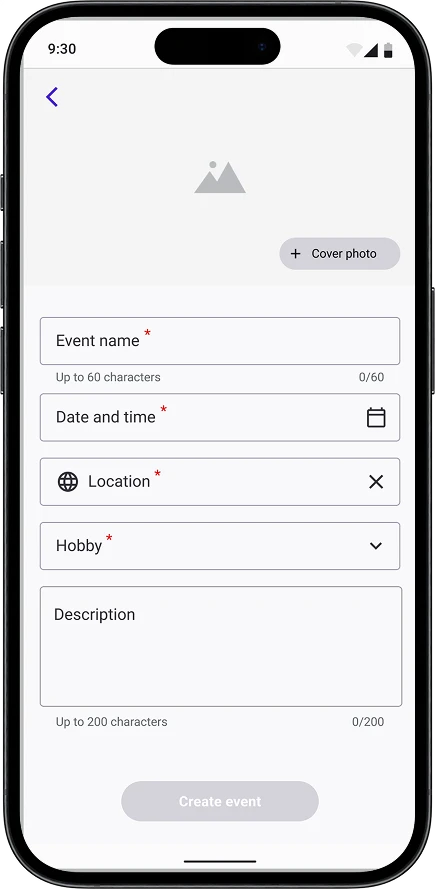
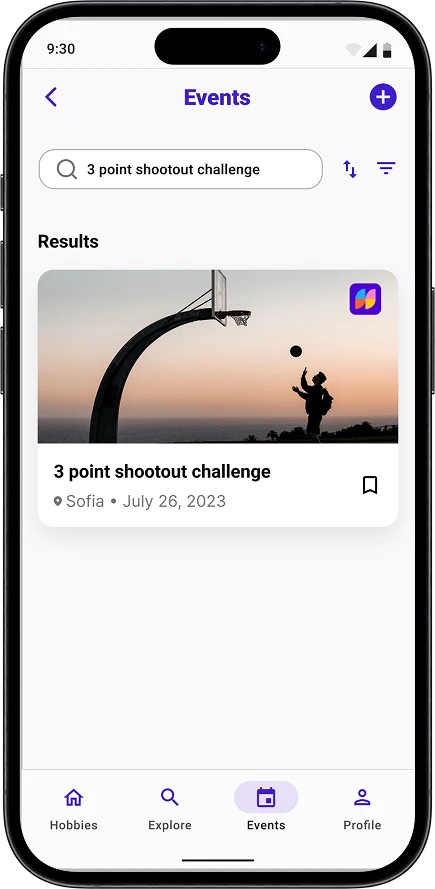
Create, search and attend.
Hobby feed
What your connections are posting, plus buddy suggestions for meeting new peers.
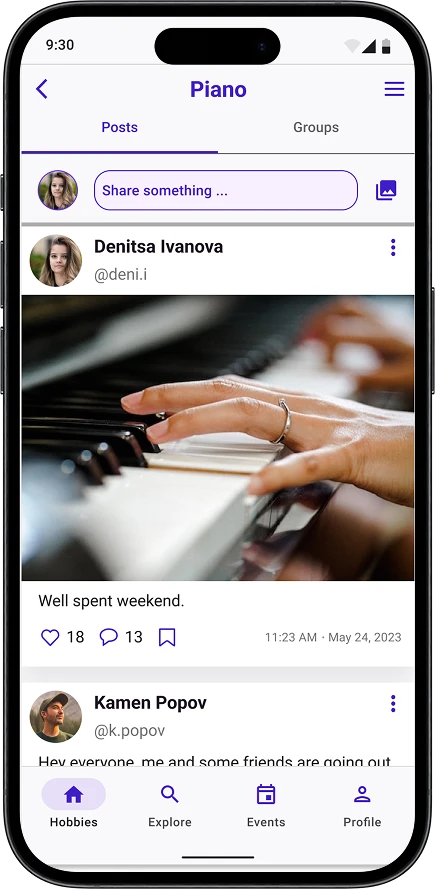
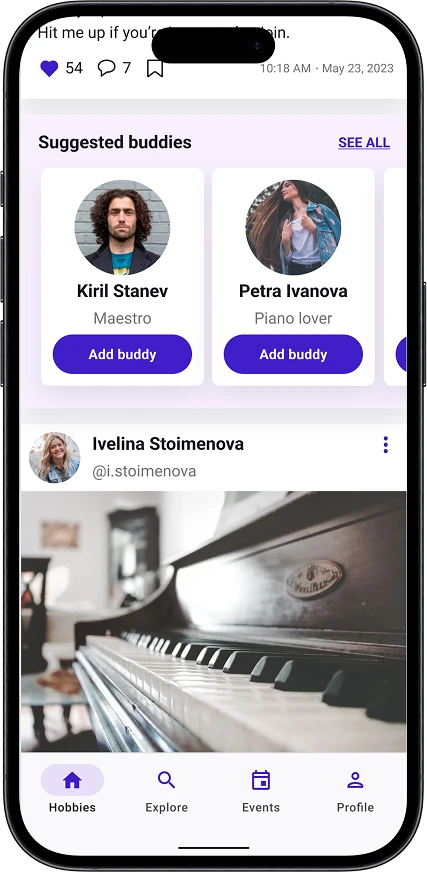
The feed, and buddy suggestions.
Groups and messaging
People join the groups they care about, discuss topics and add posts. An inbox handles direct messages and the friends list.
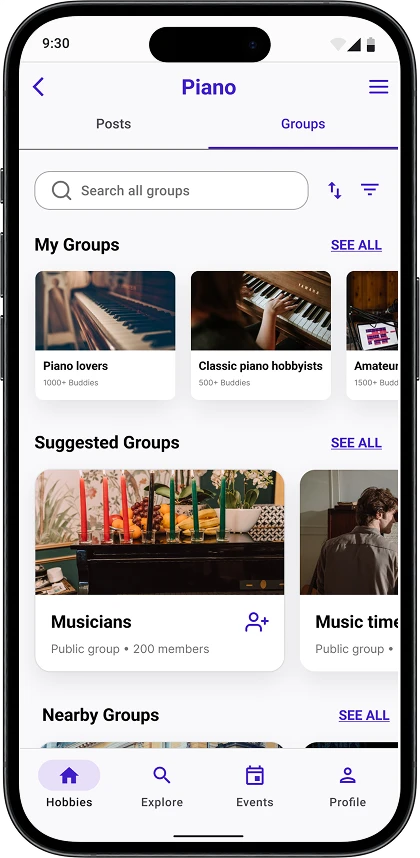
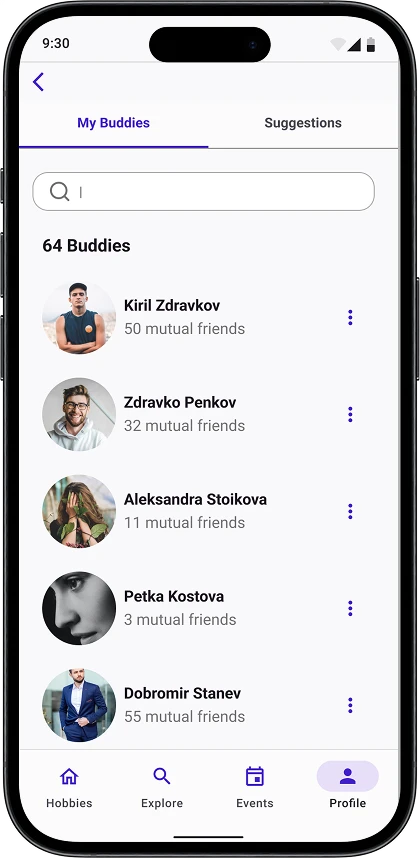
Groups, and the inbox.
Explore
Based on what someone likes, they can explore posts from hobbyists they aren't connected to yet.
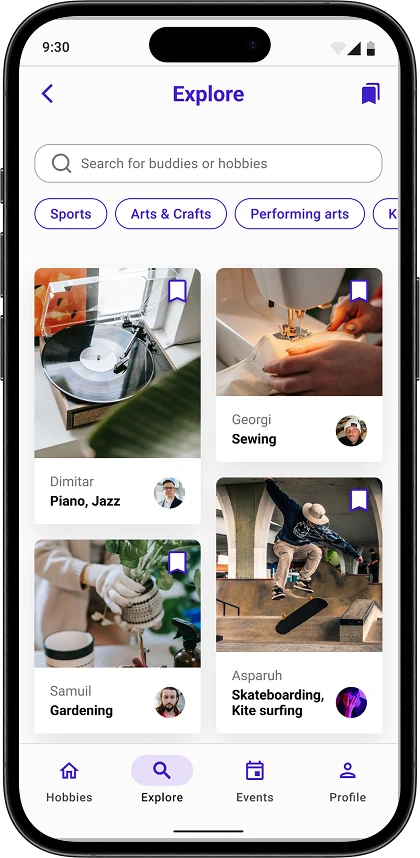
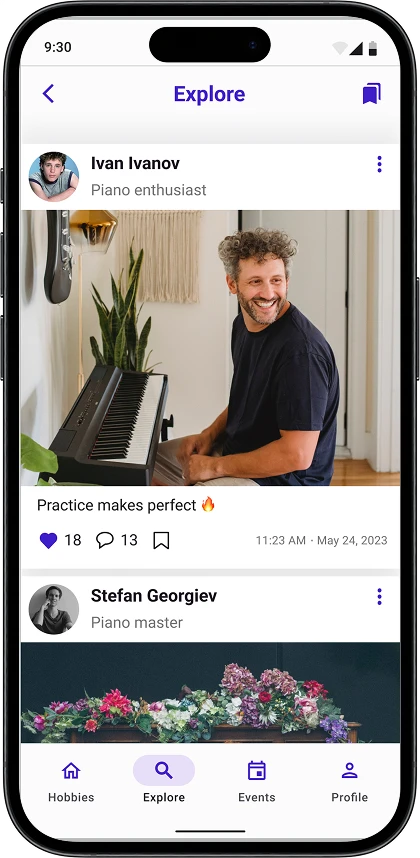
Explore.
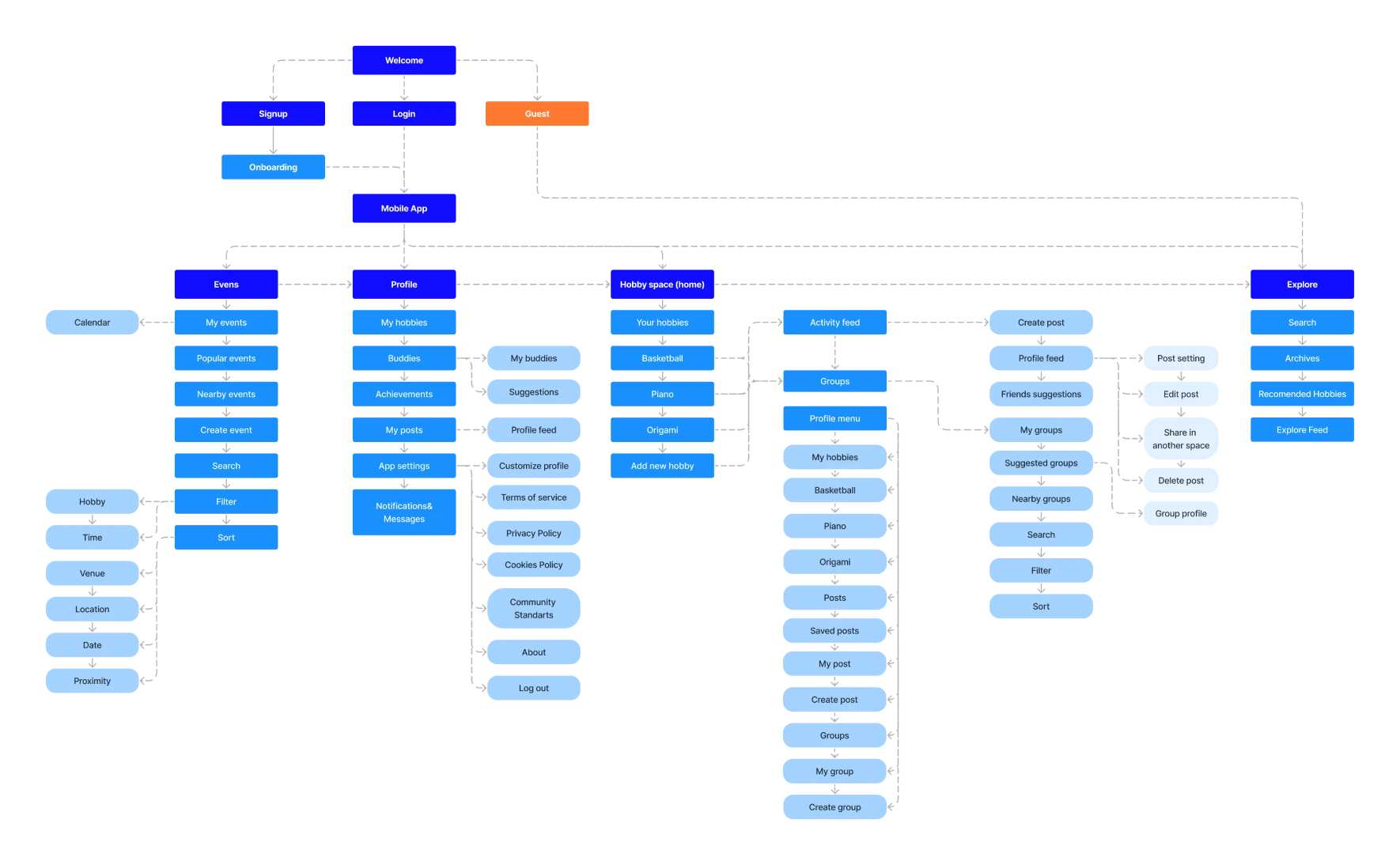
Flows
Three user stories drove the structure: connecting with people who share a hobby, in order to talk with them; creating and attending events, in order to practise together; and sharing work, in order to get feedback and discuss skills.
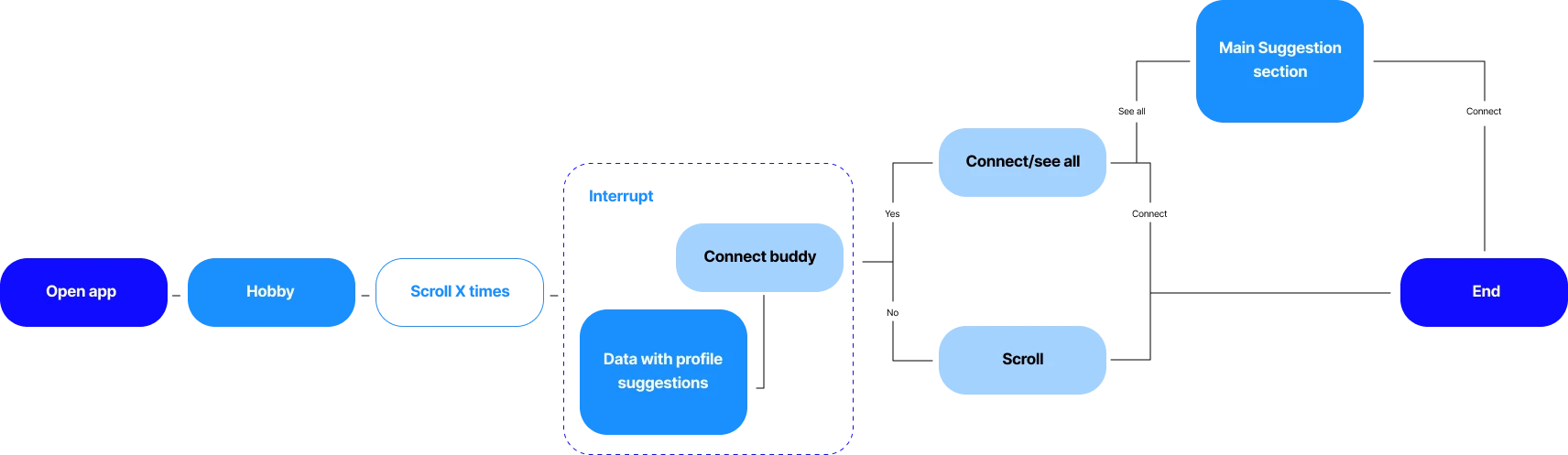


Attending events, and sharing work.
Wireframes
Paper sketches came first, then lo-fi prototypes. Having something tangible early made refining the concepts far quicker.
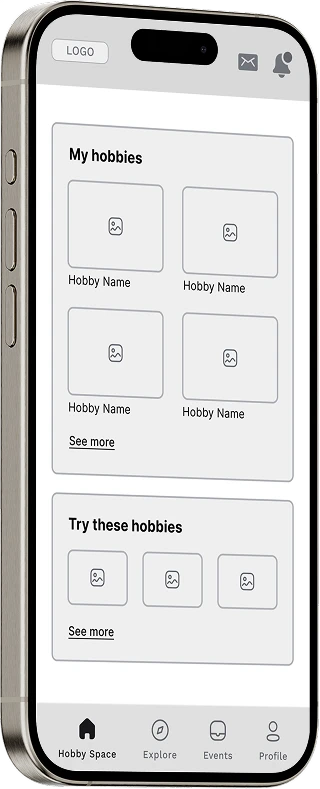
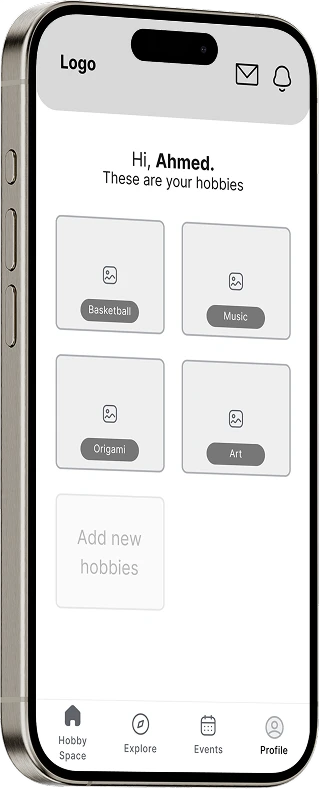
Lo-fi prototypes.
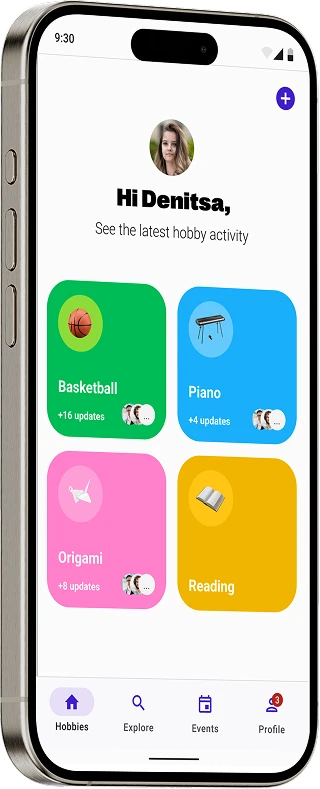
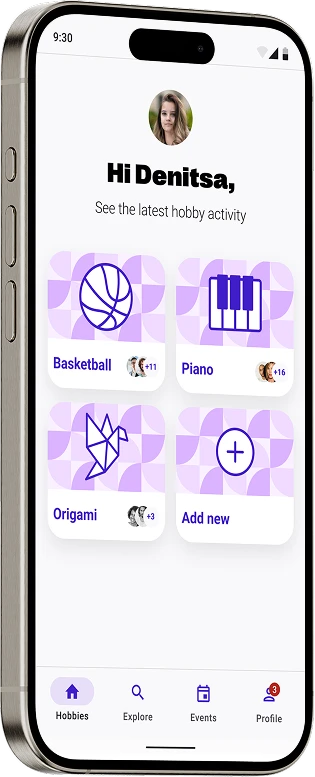
More of the set.